

How do you make your thoughts known when there is no opening in the conversation? What do you do when the speaker doesn’t come up for air?
Being a good listener can be a disadvantage when everybody is talking, and nobody is listening to you. How do you ensure that your voice is heard? Interrupt Strategically!
I know. I know. It’s rude to interrupt. Good listeners allow the speaker to finish. That’s all well and good until the meeting is dominated by strong personalities. The meeting is over, and you made no contribution. The mistake is waiting for an opportunity that may never come. This is especially true for women leaders who may wait to be invited to the conversation.
Eventually, you’ll become invisible and sacrifice your leadership reputation as someone who doesn’t have anything to contribute.
Virtual Meetings Make Interrupting Harder
It’s especially challenging to break in during virtual meetings for several reasons:
· Fewer non-verbal cues-basic signals like head nodding, direct eye contact are difficult to see on Gallery Mode on a virtual platform.
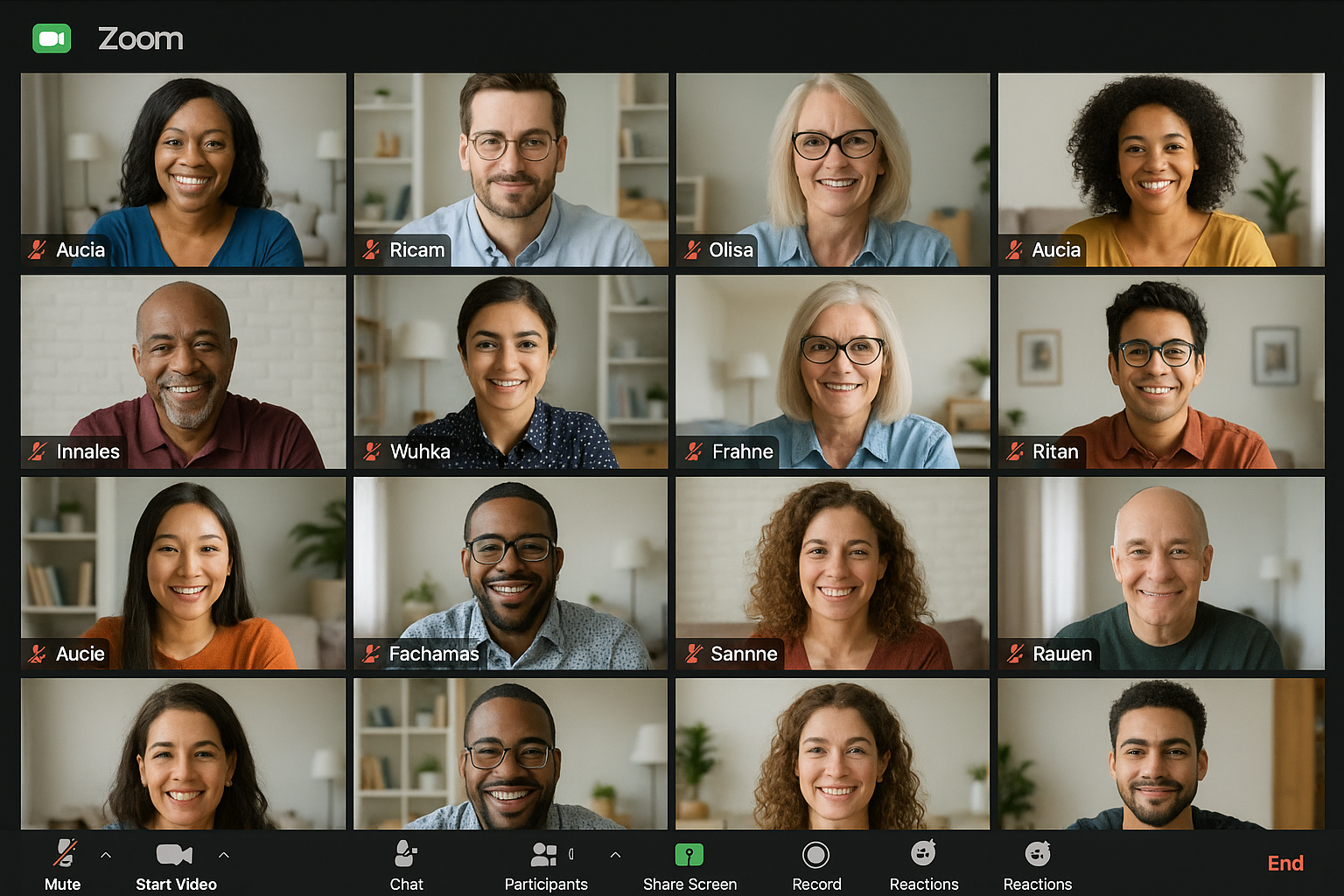
· Delayed audio and time lag make it difficult for people to find a natural pause resulting in people talking over each other.
· Strong voices allow a few certain people to dominate the meeting.
· Hybrid meetings spotlight the in-person attendees causing remote participants to be overlooked.
Before Interrupting, Signal that you Want the Floor:
· Click on the Raise Hand icon to indicate a desire to speak.
· Physically raise your hand on camera.
· Use body language by leaning in. Moving forward will signal to the listeners that you have something to say.
· Unmute the microphone as a way of showing others you’re ready to speak.
· Type in the chat that you want to comment on a topic.
Strategic Interruptions-Break in Respectfully
If you still are not being heard or if the meeting goes off track, it’s time to interrupt. Consider these strategies to be respectful when breaking into the conversation:
· Timing is Everything.
· Notice transitions or pauses. When the speaker takes a breath or uses transition words such as, “So” or “Next,” that is the moment to break in without cutting off the speaker.
· Listen to topic changes. This is a good time to interject. You’ll know they are ready to address the next area when you hear “Before we move on” … or “To recap…”
· Re-anchor the conversation when someone goes off track or dominates the discussion. “I’m not sure how this applies. Can we go back to the agenda?”
Speak Collaboratively by remembering the ATP formula:
1. Acknowledge the speaker
· “Great point and I’d like to add to that.”
· “I agree with your idea. Let’s consider…”
2, Transition. By using a transition you’ll avoid being abrupt
· “Before we move on, I’d like to add…”
· “This may be a good time to introduce…”
3. Permission. In certain situations, asking permission may be preferable to avoid sounding aggressive.
· “Would you mind if I jump in and expand on that?”
· “Is this a good idea to comment on that? I have an idea.”
When People Talk Over You
When strong personalities prevail or the same people command attention, assertiveness is required.
1. Anticipate. Be prepared and have 2 to 3 talking points ready so you’re not hesitant.
2. Before the meeting ask the facilitator to “pass the baton” to you on a particular topic.
3. Stay Calm. Keep talking if you get cut off. Project your voice. They may not have heard you.
4. Use Repetition. This is called the Broken Record technique. Keep repeating the person’s name.
· “Joanne, Joanne, Joanne…can I share an insight?” or simply say
· “I’d like to finish my point.”
5. Reference to the agenda.
· “I’m not following how this relates. Can we go back to the previous point?”
· “To stay on time, let’s hold that for now and address it later.”
6. Use Private Chat to signal the facilitator that you’d like to make a point.
The Bottom Line-Leaders Must Claim the Conversation
Meetings and conversations, even when productive, will miss the mark if all the voices are not heard. Without full input, valuable ideas are lost, misunderstandings can occur, and leadership reputations can be negatively impacted. It’s imperative to speak up and learn to interrupt appropriately to be heard and to command the room.
Connect with me on LinkedIn
Subscribe to my youtube channel
To work with me visit diresta.com