

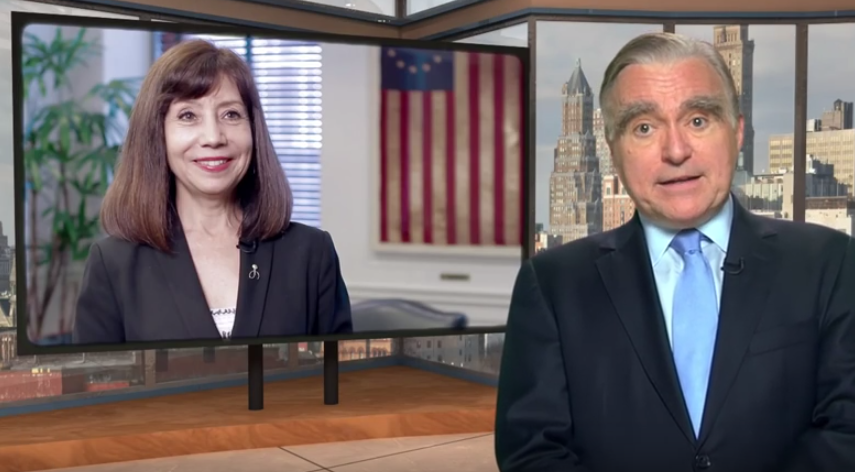
 What do today's business presenters have in common with television anchors? They both have broadcasting skills. With youtube being the number two search engine and companies demanding online learning, public speaking has gone digital. According to Business Insider 2014, “About 50 million people in the U.S. now watch video on their mobile phone." Public speakers who shun the camera will be left behind.
The first step to being a master presenter is to understand the difference between in- person speaking versus video presentations. Here are a few tips for speaking in a digital media world:
What do today's business presenters have in common with television anchors? They both have broadcasting skills. With youtube being the number two search engine and companies demanding online learning, public speaking has gone digital. According to Business Insider 2014, “About 50 million people in the U.S. now watch video on their mobile phone." Public speakers who shun the camera will be left behind.
The first step to being a master presenter is to understand the difference between in- person speaking versus video presentations. Here are a few tips for speaking in a digital media world:
- A video recorded presentation is one way communication. That means you can’t read the audience and pivot in the moment to meet their needs. So it takes a lot of preparation to deliver a compelling message and provide value to your target audience.
- In the case of teleconferencing, appoint a facilitator at each site to manage the technology and to facilitate the meeting. Be aware of delay time and plan for it by practicing longer pauses. Pause and silently count to four. That will allow enough time for the speaker to finish and for the listeners to hear the last word.
- Know the time zone of your audience. It may be 8:00 a.m. in New York, but if it’s 2:00 p.m. in Amsterdam you don’t want to start the meeting with “Good morning”.
- Display a visual agenda. People need a roadmap and it will keep the meeting or presentation focused.
- Have a back-up plan. Be able to continue by telephone if the video fails. It’s a good idea to do a test drive of the technology 15 minutes before the presentation. As a hedge, send the PowerPoint deck in advance.
- Make love to the lens. People don’t know where to look when speaking on skype. When you look directly at the caller, they see you looking down and you lose that eye connection. Try this instead: When speaking to them, look directly at the webcam. When you are listening, look at the caller.It’s uncomfortable speaking to a camera; yet that’s exactly what the presenter needs to do during webcasts and media interviews. In live presentations the presenter feeds off the audience reaction. With video, the presenter imagines the lens is a person. It’s important to maintain a steady gaze. If your eyes are darting you’ll be perceived as nervous or untrustworthy. And practice smiling and talking. Broadcasters do this easily. A serious delivery will weaken the likability factor.
- Video is an energy drain. There is an exchange of energy between a speaker and an audience. When that energy is strong, it’s palpable. That’s not the case with video. As a result, you won’t convey energy the way you do in a live performance. For that reason, you need to pump up your performance on video. In a video the presenter can easily come across as flat. Push your energy higher than normal to have the same intensity level when you’re live and in person.
- Minimize gestures. Wide, sweeping hand movements are distracting on video. Use fewer and smaller gestures. If seated, sit with both feet on the floor and lean forward at a 15 degree angle. Place both hands on the table. This is a confident speaking and listening position. You’ll be perceived as confident and it will stabilize you. Avoid excessive head nodding and jerky movements.
- You are always on stage. If someone else is speaking, chances are you are still in view. Be careful about sloppy behaviors such as slouching, looking at your phone, side talking or looking bored. The presentation isn’t over until the camera is off.
- You’ll look heavier on video. Video is two dimensional which flattens the presenter. I once was videotaping a client for a presentation. It was amazing that when I looked at her directly she appeared slim. When I looked through the camera lens she looked heavier.To manage the widening effect, dress for the camera.Remember that light colors enhance and dark colors diminish. A client of mine was unhappy with her video because she thought she looked heavy. She was wearing a boxy white jacket which gave her a wide appearance. We did a make-over. This time she wore a tapered navy blue jacket which had a slimming effect.Another way to look thinner on video is to stand at a ¾ angle with your hips back. If you’re in a close-up, drop your forehead slightly to avoid a double chin.
- Wear the right colors. White and black are not good colors for video. White creates glare. It’s better to wear off-white or pearl grey. Icy pastel colors look washed out on camera and are not a good choice. Red can bleed or look muddy. A better choice is burgundy. Avoid stripes and large bold patterns. You’ll look like a TV test pattern. When in doubt, blue is a good choice for video. It films well and psychologically blue means trustworthy, conservative, stable.
- Lighting is key. While lighting is important in a live performance, harsh lighting won’t be as damaging. On video, fluorescent lightening will highlight lines and shadows in the face and can also hurt the eyes. Use soft lighting that flatters your face.
- Choose the backdrop carefully. When doing a video presentation always ask about the backdrop. If you’re filming from home, make sure you don’t have messy papers stacked up behind you. If you’re filming off-site, choose clothing that will work with the backdrop. Early in my career I was being filmed for a speaker showcase. I asked the producer if my fuchsia suit would televise well. He said yes. Unfortunately. I asked the wrong question. I should have asked “What color is the backdrop?” When I arrived I found myself in front of an orange curtain. The fuchsia suit bled into the orange and looked terrible on film. This wouldn’t have been an issue in a live presentation.
- You cannot be boring. Engagement is crucial.You have 5-10 seconds to grab attention in a video presentation. The key to success in video presentations is good storytelling and a highly targeted audience who will appreciate the value. Being boring is deadly in any venue. A live audience will show more tolerance by listening longer. If your video presentation is boring the viewer will click off instantly. A video presentation needs to have greater engagement. A measure of engagement, is how many people watch the entire video. According to Industry standards, a 15-20% complete viewing of a 2 minute video is considered a good engagement rate. That means most viewers are not watching the complete video.
- The day of the talking head is over.To increase engagement, keep a fast pace. You need to keep the video moving. Add slides and images while you are speaking. Fly in bullet points as you speak. Keep the presentation brief. If it’s a formal speech aim for no more than 18-20 minutes. Sales presentations need to be crisp, engaging, fast moving, and brief.In my own experiment, I noticed that every time I reached for the fast forward knob, the picture would change. This happened continually as if the videographer was reading my mind. Intrigued, I started to look at the time. The frames were changing every four seconds-the same time I wanted to fast forward.
If you’re not producing video presentations you’re leaving money on the table. Your digital footprint is now an important part of your personal brand. Interviewers are asking for videos. LinkedIn now allows videos to be added to profiles. Video is the ultimate selling tool. It addresses the know, like, trust factor.
Video is not going away. To be current, you need to master video presentations.

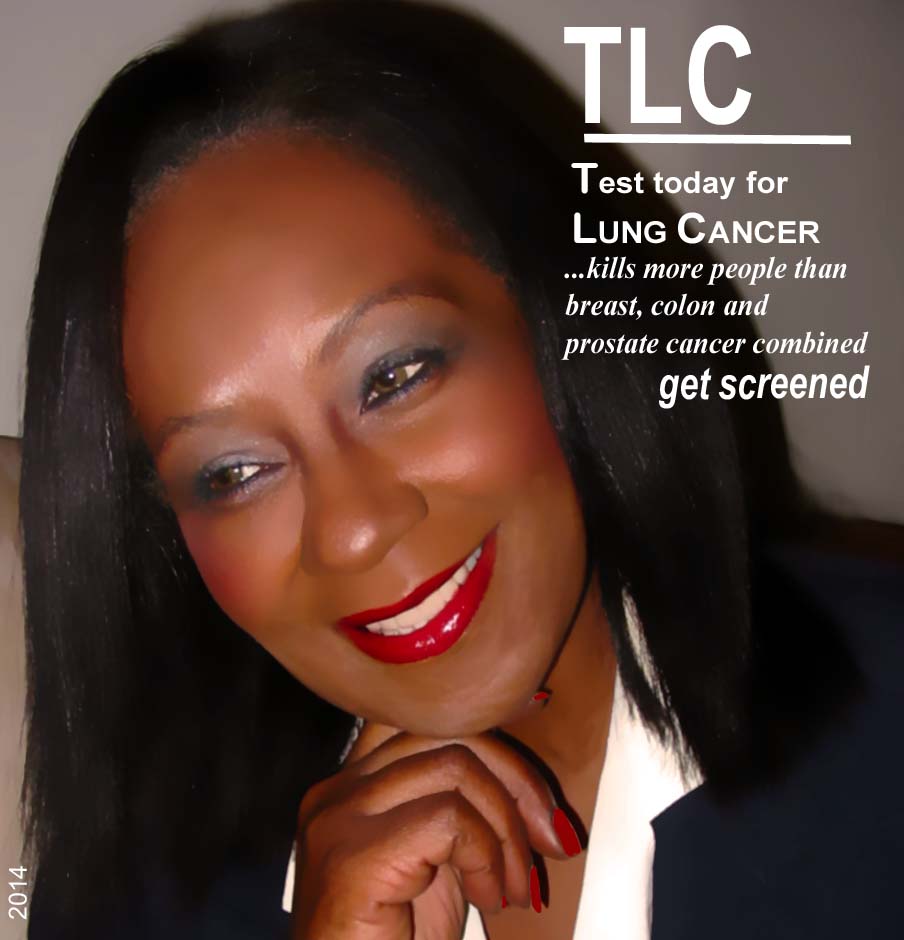 What do you do when a loved one dies and you're the person to give the eulogy? Last weekend I attended the memorial service of my friend, Linda who lost her battle to lung cancer at the age of 63.
Memorial services are usually bittersweet. The service was beautifully inspiring and sad at the same time. The tributes from her sorority sisters gave an insight into her personality and the reader of her legacy left a powerful impression of Linda's contribution of the world. The soloist sang Linda's favorite song with feeling and his voice filled up the room with love.
What do you do when a loved one dies and you're the person to give the eulogy? Last weekend I attended the memorial service of my friend, Linda who lost her battle to lung cancer at the age of 63.
Memorial services are usually bittersweet. The service was beautifully inspiring and sad at the same time. The tributes from her sorority sisters gave an insight into her personality and the reader of her legacy left a powerful impression of Linda's contribution of the world. The soloist sang Linda's favorite song with feeling and his voice filled up the room with love.
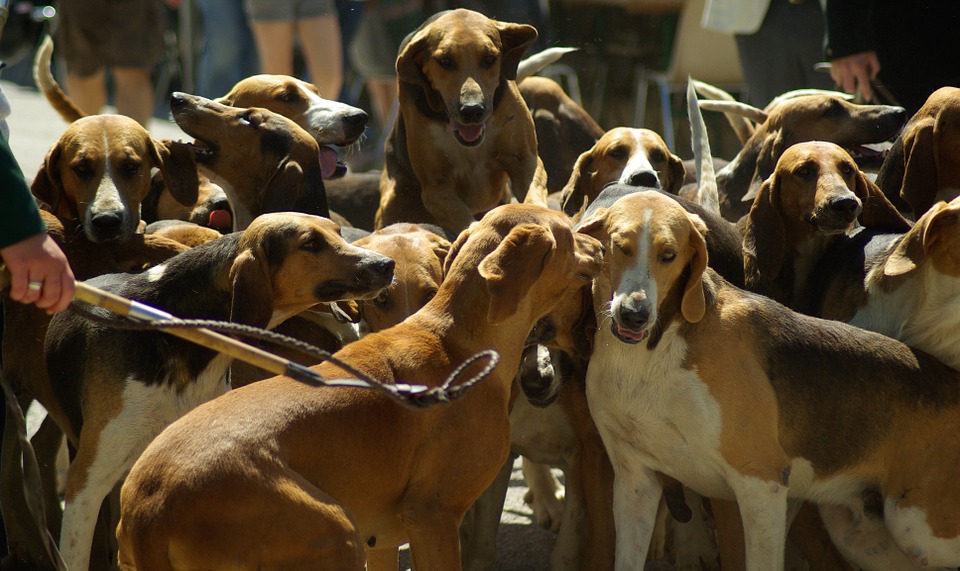 It's the Dog Days of August and public speaking is going to the dogs - in a good way. Animals, especially dogs, have been used in pet therapy programs for years. Research shows that pets can help lower blood pressure, and reduce anxiety. Bonnie Auslander, who specializes in
 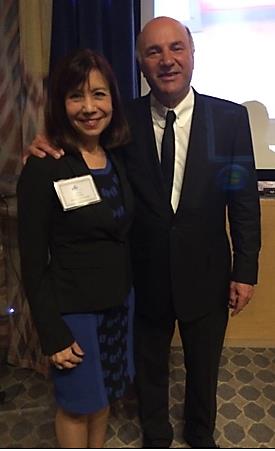 Last month I had the good fortune to hear Kevin O’Leary of Shark Tank speak at a networking event. Unlike typical celebrity events, this venue was intimate, allowing contact with Mr O’Leary and even a photo opp.
After drinks and hors d’oeuvres, we gathered into a small theater-like room to hear him speak. His speaking approach surprised me and I found it refreshing. Instead of the usual PowerPoint, or main stage podium presentation, Mr O’Leary entered the room in an unassuming manner yet strongly communicated
Last month I had the good fortune to hear Kevin O’Leary of Shark Tank speak at a networking event. Unlike typical celebrity events, this venue was intimate, allowing contact with Mr O’Leary and even a photo opp.
After drinks and hors d’oeuvres, we gathered into a small theater-like room to hear him speak. His speaking approach surprised me and I found it refreshing. Instead of the usual PowerPoint, or main stage podium presentation, Mr O’Leary entered the room in an unassuming manner yet strongly communicated 
 Could a top presenter bomb in the virtual world?
Your keynotes get rave reviews. Your training seminars are highly rated. Your reputation as a
Could a top presenter bomb in the virtual world?
Your keynotes get rave reviews. Your training seminars are highly rated. Your reputation as a  There are no boring topics-only boring speakers. Just about every audience and coaching client has heard me make that statement about
 DiResta Communications Recognizes International Women’s Day with Re-Launch of “Give Fear the Finger”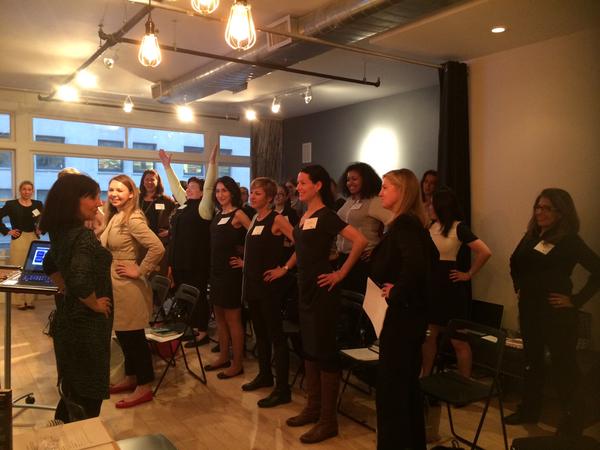
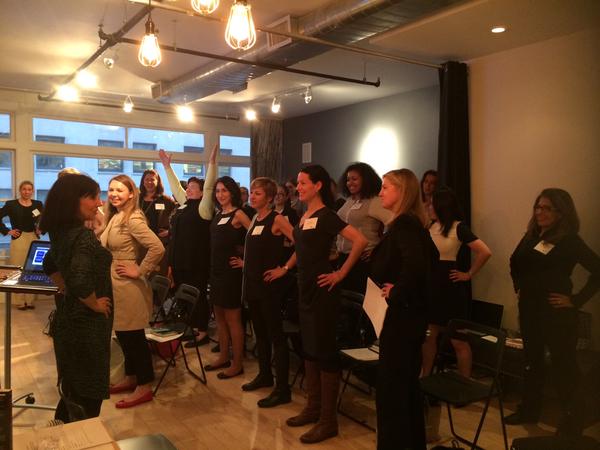 My colleague
  In a Republican debate, Senator Marco Rubio had emerged as a great orator and touted his third place standing as a win. There was a lot of buzz about Rubio and he was riding high despite being number three. So it was no surprise that he walked into the next debate
  Speaking is a leadership skill
 It's a
  What's the one word that's the kiss of death for most presentations? No, it's not BORING. Boring is the outcome.
What makes a presentation boring?
What's the one word that's the kiss of death for most presentations? No, it's not BORING. Boring is the outcome.
What makes a presentation boring? How is
 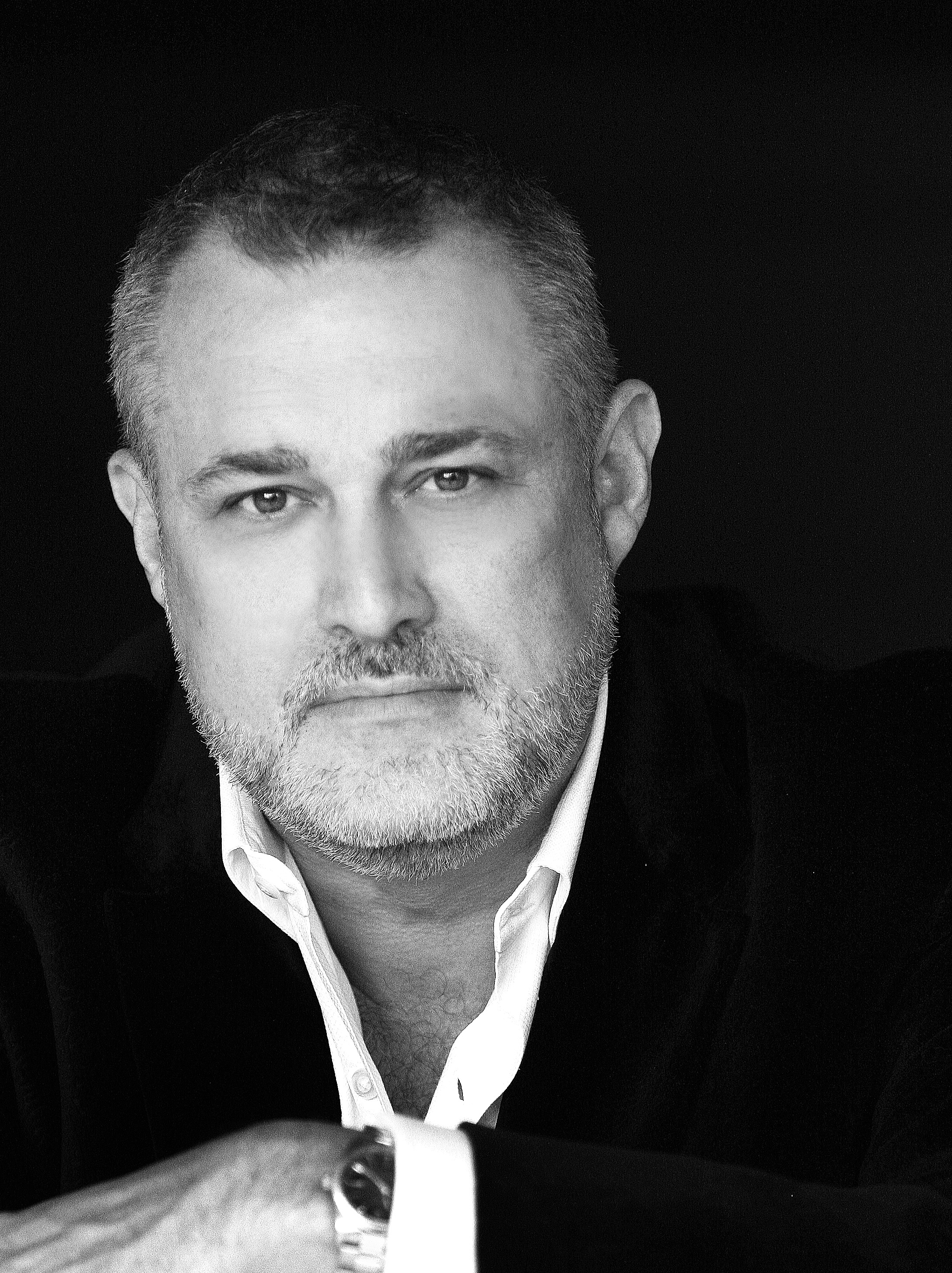 I'm honored to have Jeffrey Hayzlett as a guest blogger.
Whether in life, or in business, there’s no cookie-cutter, surefire way to achieve success, no one plan you have to follow. We all carve our own niche, create our own success, but there are some things all successful entrepreneurs have in common: they
I'm honored to have Jeffrey Hayzlett as a guest blogger.
Whether in life, or in business, there’s no cookie-cutter, surefire way to achieve success, no one plan you have to follow. We all carve our own niche, create our own success, but there are some things all successful entrepreneurs have in common: they 
 Did you ever wonder if there was an Aladdin's Lamp for