
Speaking is the new competitive advantage. At least that's what I told my audiences until last week. I was excited to attend a wellness conference during the weekend in New York City. The keynote speaker was a celebrity I admired. But what was more exciting were the topics. Most of the speakers were doctors, dentists, and health professionals. The presenters spoke for 20 minutes as in a TED talk format and the presentations continued non-stop throughout the day.
Some of the research was cutting edge and I was eager to learn from the presenters. My enthusiasm quickly turned to boredom after sitting through the first few presentations. Clearly, the presenters were subject matter experts with impressive credentials. But they quickly sacrificed their credibility when they stepped up to the platform. What a lost opportunity! Here are three mistakes that were consistent among the speakers.
1. Using the Microphone Ineffectively
Almost every speaker held the microphone at chest level or too far away from their mouth. When the audience can't hear, they tune out. It also makes the subject matter expert look like an amateur. A microphone should be held no further than four inches below the mouth. My recommendation to the event planner was to provide an attached microphone or require a rehearsal with the hand held mic.
2. Being Speaker-Centered
This is all too common in business. I've experienced it in every kind of speaking situation including sales presentations. There was one woman in particular who spent most of the time telling her story. Not only was it too long; it was all about me, myself, and I. Here's the 411 on the audience. They don't care about you! They're interested in what you and your information can do for them. Yes, tell your story. We want to know you on a personal level. But keep it brief and move on to provide value.
It's not difficult to be listener-centered. I've demonstrated in one minute or less how to take any subject and create a listener-centered opening that speaks to the listener's self interest. It's not about you. It's about them! Chapter 7 in Knockout Presentations reveals the process of Listener-Centered Communication. It's powerful.
3. Bad Timing
Both the presenter and the coordinator are culpable when time commitments are not kept. The reason speakers run out of time is a) they have too much material b) they didn't rehearse out loud. One speaker was telling an interesting story and realized she had two minutes left. She stopped in the middle of the story and quickly flipped through to the end of the PowerPoint slides. The presentation lost impact. And this was a subject I really wanted to hear. At this point, my friend leaned over and whispered, "Diane, this is a real opportunity for you." (Not a good sign).
Were there other mistakes? Yes. But these were the most common errors. Were there any good presenters? Yes. I can think of two, maybe three. The celebrity keynote was excellent. It was obvious that she had a lot of public speaking experience. What is the lesson here? Poor presentation skills do not motivate an audience to action. I didn't approach any of the speakers after hearing them present on stage.
There was a silver lining, though. I won the grand prize - a Vitamix blender! So all was not lost - except the opportunity for the presenters to build their brand and increase their business.

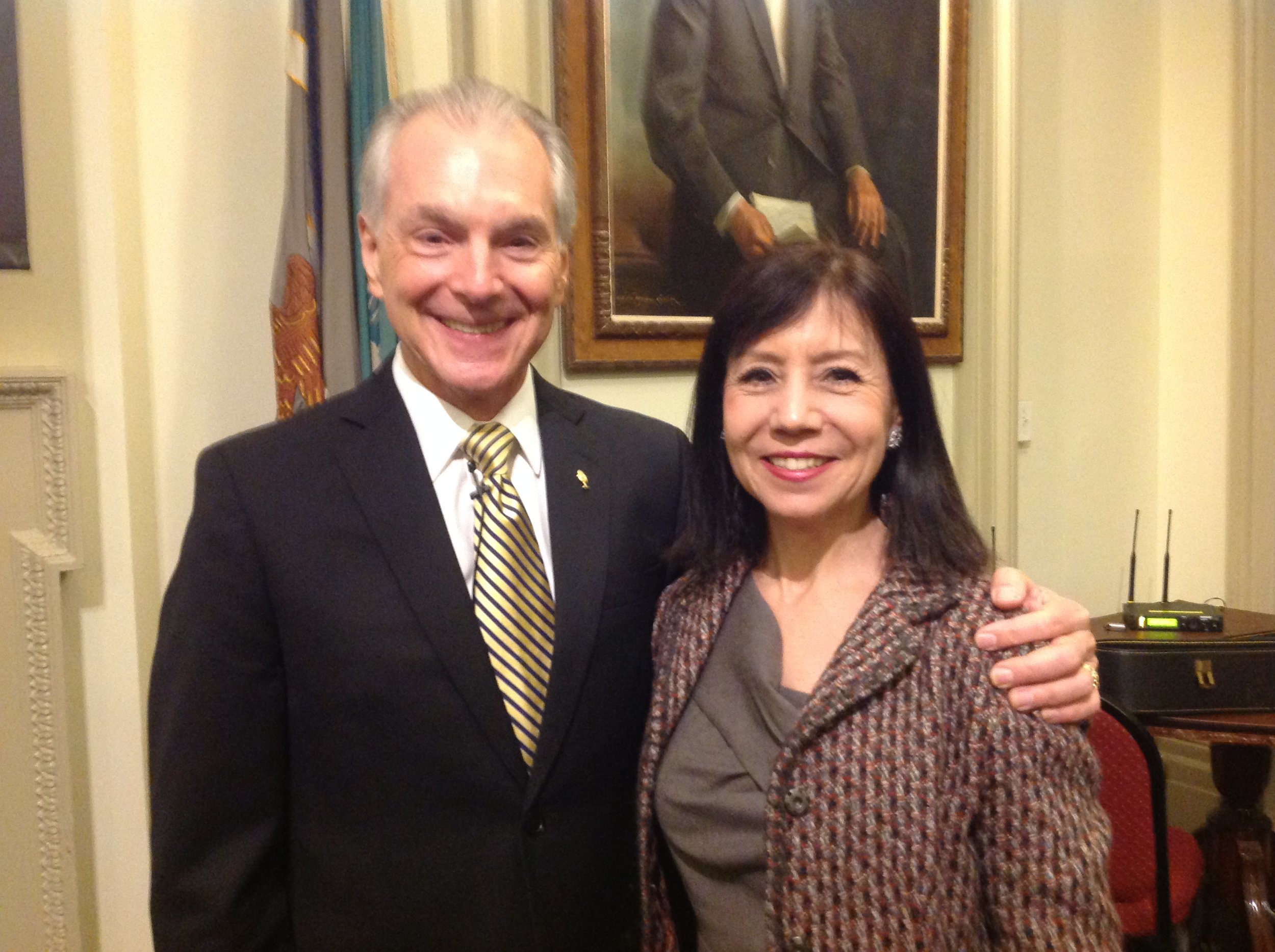 Jim Cathcart, motivational speaker and author of the
 For years I've been saying that speakers will need broadcasting skills. Well, the future is now. Recently, I was asked to do a
 How do public speakers go from good to great to awesome? They attend the NYC chapter of the National Speakers Association. The guest speaker for November was executive speech coach,
 On Monday, I decided to try a test. I declared my intention that I was going to book business on that day. I didn't know how. I didn't know where it would come from. I didn't start calling a list of numbers. By late afternoon, I went to my inbox and there was an email. It said, "Could you send us dates when you are available?"
 Don't let your head be on the chopping block. Keep abreast of these three public speaking trends and your audience will gobble up your ideas.
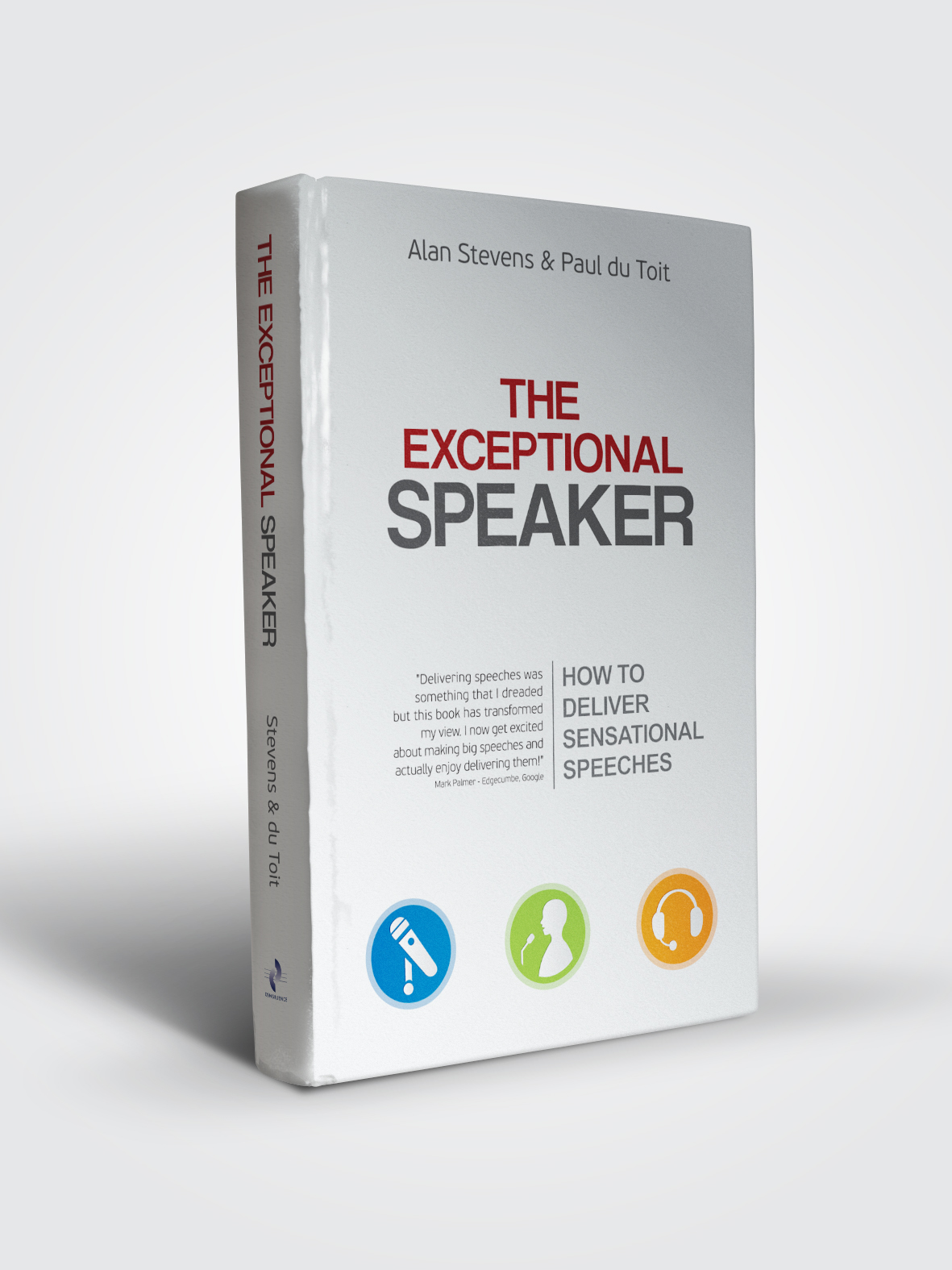 Do you want to be an exceptional speaker? My friends Alan Stevens and Paul Du Toit, from the U.K. have just published a book that shows you how. I saw them at the
 How did a college intern trump me in public speaking?
My marketing intern from Berkley College in New York City is from Korea and she is studying marketing as well as working on her English language skills. That was one of the reasons she was interested in interning with
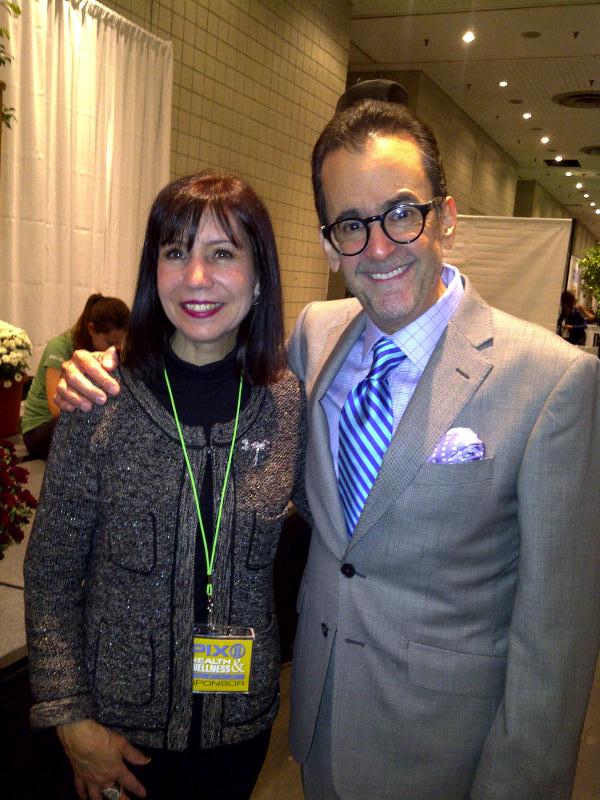 On Saturday, October 19, I spoke at the WPIX, Channel 11

 New York, NY (October 10, 2013) – Diane DiResta, Founder of




 There's a line from a World War I song:
"How you gonna keep 'em down on the farm
After they've seen Paris?"