
 When you think about difficult audiences, do you envision an audience in an auditorium with you speaking on the stage? Well, you don't have to be a formal public speaker to encounter a difficult audience.
Your audience includes your co-workers, employees, management and vendors. When you're dealing with so many different personalities it's inevitable that there will be conflict. Here's where trained public speakers have an advantage - the skills that are used to handle a difficult audience also apply when you're communicating one-on-one.
But what if you can prevent conflicts in the workplace? That's even better. Nobody has a 100% conflict-free life, but many conflicts can be averted when you understand yourself and others.
The unexamined life isn't worth living." -Socrates
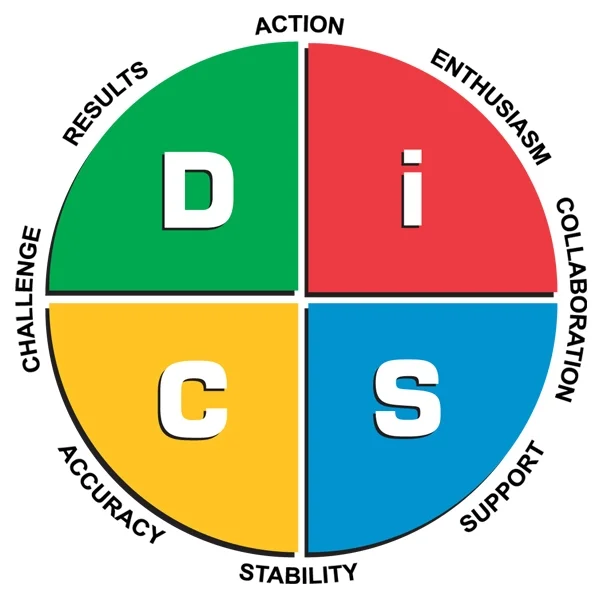
The first step in managing a difficult person or situation is to understand how you're wired. What is your natural behavioral style? This is the way you communicate easily without much conscious effort. It's like being right handed. You don't think about it. When you meet a person or audience who has the same behavioral style as you, communication happens more easily.
But what happens when you encounter people who are your opposite? This is when an audience may be perceived as difficult. It would be great to have a tool that would help you recognize different behavioral styles so you know how to communicate effectively.
The DiSC Behavioral Profile can help you do that quickly and simply. The DiSC Behavioral Profile identifies your natural communication style, shows you how to recognize different styles, and gives you the tools for managing those differences.
In other words, you'll learn to speak their language and have greater influence, better communication, more understanding, and less stress.
Most often, conflicts happen because of differences in style; you're talking apples, they're talking oranges.
This can happen when you're giving a presentation to a group. For example, too often, technical people give too much detail to senior management. Or, a sales presentation lacks the level of data and evidence preferred by a scientific audience.
By knowing how others are wired, you can predict the commonalities you'll share, you'll be able to predict the conflicts that may arise, and you'll have a strategy to compromise.
Wow... Just signed on to take the DISC program with Diane and she helped me learn how to communicate with style!! Diane was simply amazing and her suggestions were 'spot on'. No one should miss this opportunity!"
-A. Weidberg
Don't know which style you are? Want to know more about DiSC? Contact us and ask for a free sample report.

 I read an interesting story written by
 Vernice Armour
 A good friend sent me an email about a possible speaking engagement. I contacted the meeting planner to tell her about my background and talk about
 I recently read an article by Dylan Kendall entitled, "
 "Ask any businessman or woman and they will tell you the same thing – confidence is a vital ingredient in the recipe for success. In other words, if you want to be really good at anything - no matter what walk of life you are involved in - you need to have belief in yourself and your abilities."

 Professional speakers who are satisfied with the status quo will surely find their audience slipping away. Just like the car replaced the horse and buggy, dynamic, interactive presentations are replacing the talking head. Today, public speakers have to play a bigger game in order to give a





 It's 8:15 p.m. on a Thursday night. I'm at home in front of my computer. The phone rings. I say hello twice before I get an answer. This is always a telltale clue that it's a telemarketer calling. "May I speak to Diane DiResta?," she asks. "Speaking," I reply. She begins to talk about bank security and identifies the bank she is representing. I have an account there so I listen. She continues reading her script about completing a survey. I never participate in surveys but because it's my bank I continue to listen. But she continues reading and I don't know where this is going. Finally, in an annoyed tone, I said, "STOP! You're reading. What is it that you want to know?" She responded by saying, "Have a horrible day and hung up. Okay, it wasn't my finest hour. Maybe I could have said that more sweetly. But I don't like my time wasted and these uninvited calls are an intrusion in my personal life. The point of the call is to get information not to practice reading out loud. Cut to the chase!
Marketers who create these scripts have no understanding of
 Words are dying.
 Resolve to delete three deadly words from your vocabulary this year. We make resolutions on January 1st and then we go back to our usual habits in less than a month. But you can't afford to let your communication and presentation skills slide. Why? It's a new game. It's tougher, more competitive, and harder than ever to be heard above the noise.
Your speech can undermine your success in an interview, a sales presentation, or a promotion opportunity. And it can sabotage your leadership. Jargon, non-words, and slang will not serve you.
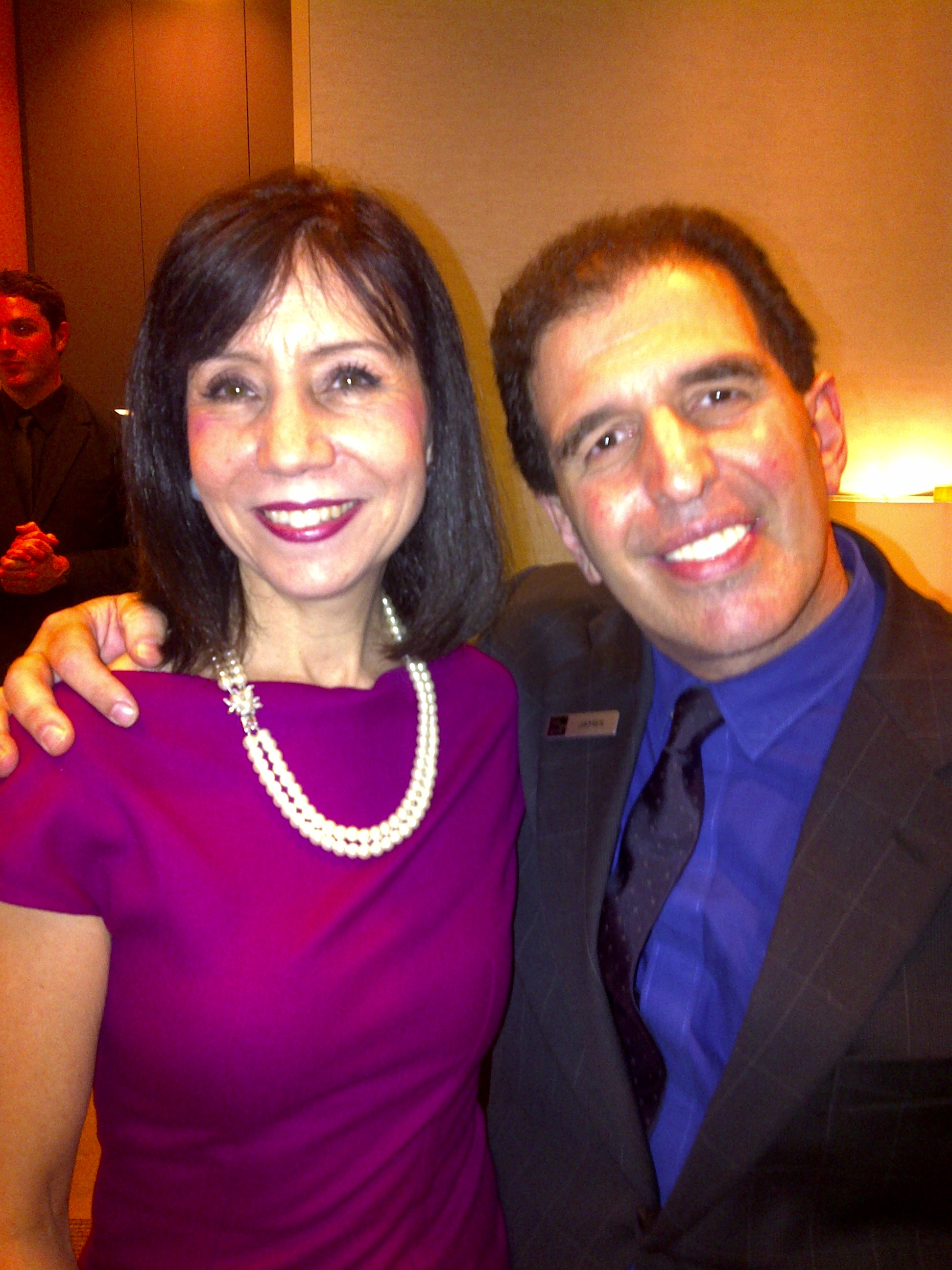 New York, NY (Dec 12, 2012) -- Diane DiResta, CEO of DiResta Communications and author of
 Back in September, I wrote about