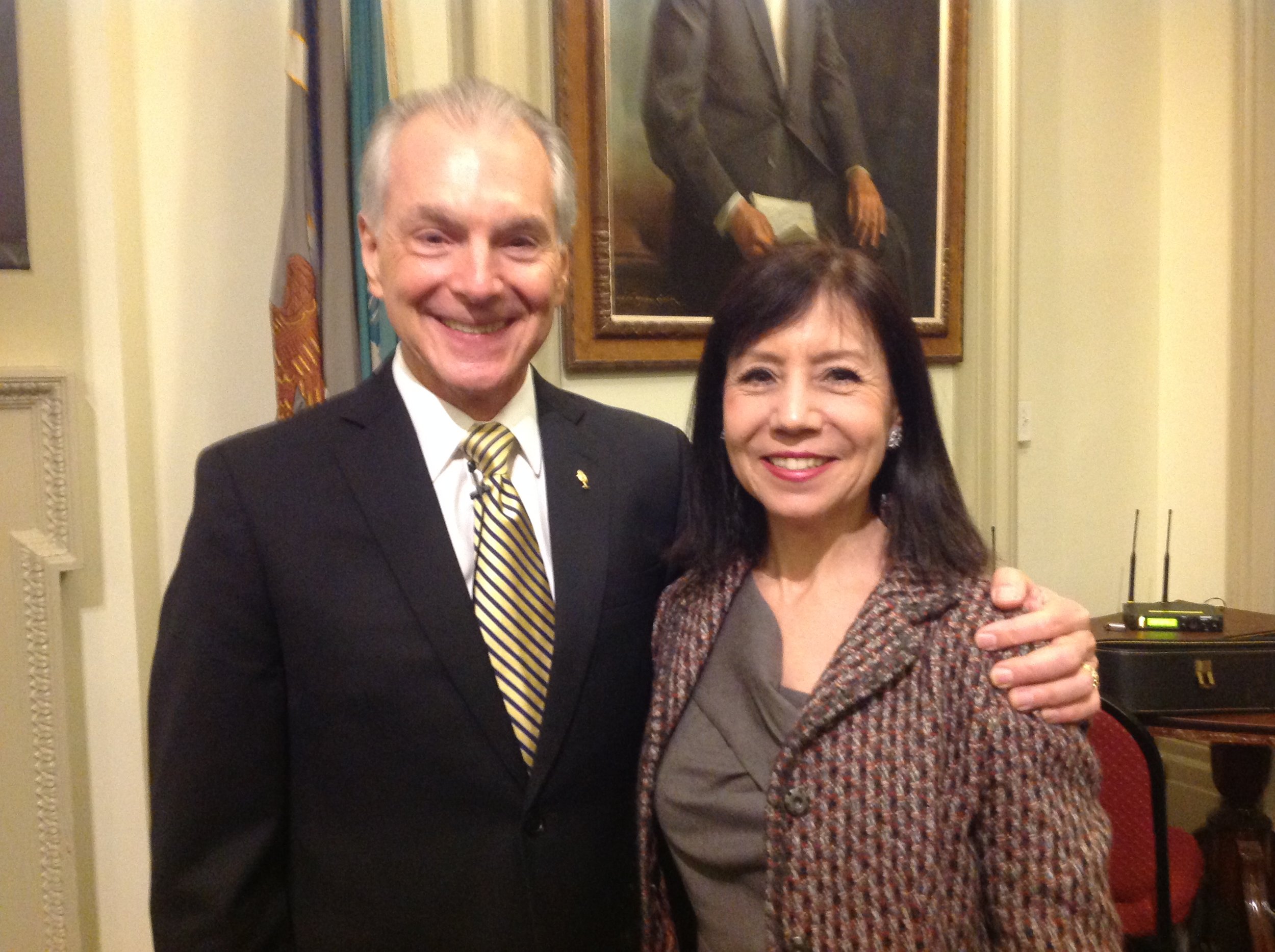
 Jim Cathcart, motivational speaker and author of the Acorn Principle, spoke to the NYC chapter of National Speakers Association today. As a former president of the National Speakers Association and a Hall of Fame Speaker, Jim shared his time line and journey of success to the heights of professional speaking. His insights and advice for success applied to speakers and non-speakers alike.
Holding up an acorn, he asked the audience "What seed are you?" Jim explained that the stem represents your legacy, the cap holds on to the seed to help it grow (your support system, coaches, mentors) and the seed is the potential that lives within you.
Jim Cathcart, motivational speaker and author of the Acorn Principle, spoke to the NYC chapter of National Speakers Association today. As a former president of the National Speakers Association and a Hall of Fame Speaker, Jim shared his time line and journey of success to the heights of professional speaking. His insights and advice for success applied to speakers and non-speakers alike.
Holding up an acorn, he asked the audience "What seed are you?" Jim explained that the stem represents your legacy, the cap holds on to the seed to help it grow (your support system, coaches, mentors) and the seed is the potential that lives within you.
The keys to success according to Jim are:
- Know yourself
- Accept yourself
- Improve yourself
He advised speakers to "nurture your nature." In other words, be true to your style as a public speaker. He contrasted the over-the-top expressive motivational speaker, Zig Ziglar with the reserved, business content speaker, Brian Tracy. Both were wildly successful because they were authentically true to their natural speaking styles.
The psychologist and professional speaker, Tony Allesandra, author of The Platinum Rule, had difficulty starting out as a speaker. A coach diagnosed the problem and told him to stop trying to be Jim Cathcart. Jim is a Southern gentleman and Tony is an "in your face" guy from the streets of Brooklyn. When Tony accepted himself, he found his own voice and his career soared.
Jim encouraged the audience to discover themselves and how they operate. He challenged the group to make a commitment to take the first step and the rest will come. Whether you want to be a professional speaker or raise the bar on your presentation skills, decide what you want and be a fanatic about it. According to Jim, "Success is unreasonable. Ordinary is reasonable." If you study your topic for one hour a day, within five years you'll be an expert. We all have seeds of greatness waiting to be expressed.
So, what seed are you?
 For years I've been saying that speakers will need broadcasting skills. Well, the future is now. Recently, I was asked to do a
  How do public speakers go from good to great to awesome? They attend the NYC chapter of the National Speakers Association. The guest speaker for November was executive speech coach,
  On Monday, I decided to try a test. I declared my intention that I was going to book business on that day. I didn't know how. I didn't know where it would come from. I didn't start calling a list of numbers. By late afternoon, I went to my inbox and there was an email. It said, "Could you send us dates when you are available?"
 Don't let your head be on the chopping block. Keep abreast of these three public speaking trends and your audience will gobble up your ideas.
 Do you want to be an exceptional speaker? My friends Alan Stevens and Paul Du Toit, from the U.K. have just published a book that shows you how. I saw them at the
  How did a college intern trump me in public speaking?
My marketing intern from Berkley College in New York City is from Korea and she is studying marketing as well as working on her English language skills. That was one of the reasons she was interested in interning with
How did a college intern trump me in public speaking?
My marketing intern from Berkley College in New York City is from Korea and she is studying marketing as well as working on her English language skills. That was one of the reasons she was interested in interning with 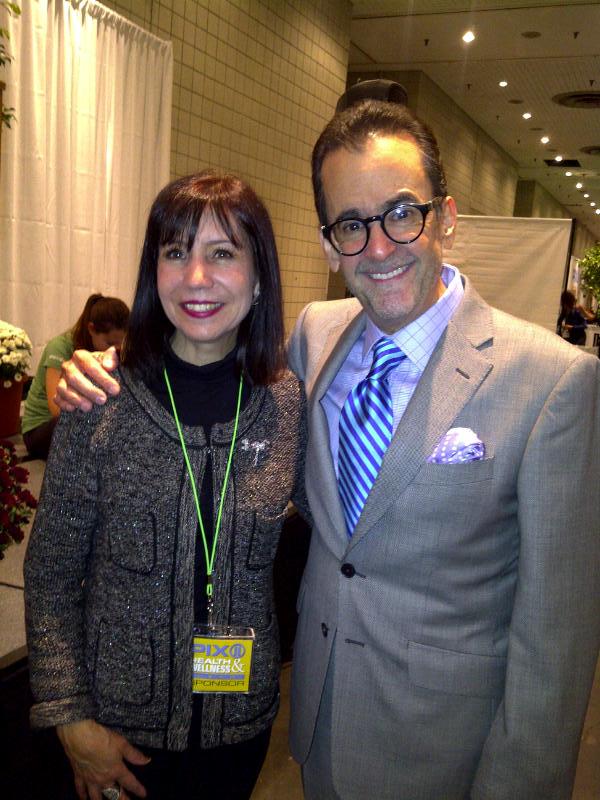 On Saturday, October 19, I spoke at the WPIX, Channel 11
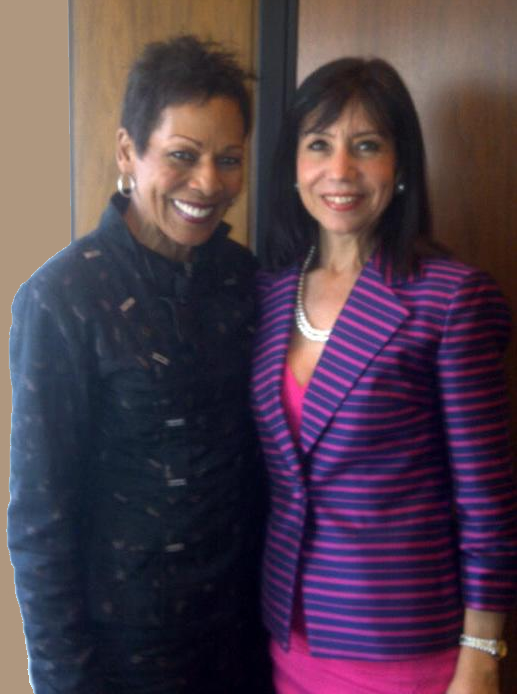
 New York, NY (October 10, 2013) – Diane DiResta, Founder of



 There's a line from a World War I song:
"How you gonna keep 'em down on the farm
After they've seen Paris?"
There's a line from a World War I song:
"How you gonna keep 'em down on the farm
After they've seen Paris?"
 How much is your presentation worth? If you're not speaking with