
 Bill Clinton is a rock star on the speaking platform and the ultimate spin meister. I tell my audiences that gifted speakers are born. Most public speakers will never reach the level of a Martin Luther King. Not even most professional speakers achieve that height. Some speakers have a special gift-an ability to move the masses, entertain the crowd, speak off the cuff, and sway an audience.
And last night at the Democratic Convention, Clinton demonstrated all of it and then some. As I anticipated his speech, I wondered how he was going to excite the crowds when the facts pointed to high unemployment, lower wages, and a general discontent with the economy. Well, it didn't take him long to put a position spin on the situation. How did he do it?
Bill Clinton is a rock star on the speaking platform and the ultimate spin meister. I tell my audiences that gifted speakers are born. Most public speakers will never reach the level of a Martin Luther King. Not even most professional speakers achieve that height. Some speakers have a special gift-an ability to move the masses, entertain the crowd, speak off the cuff, and sway an audience.
And last night at the Democratic Convention, Clinton demonstrated all of it and then some. As I anticipated his speech, I wondered how he was going to excite the crowds when the facts pointed to high unemployment, lower wages, and a general discontent with the economy. Well, it didn't take him long to put a position spin on the situation. How did he do it?
Purpose: Clinton stated clearly and succinctly his intention. "Now, Mr. Mayor, fellow Democrats, we are here to nominate a president... and I’ve got one in mind."
Positioning: He introduced the President by highlighting his background of triumph over tragedy and quickly spoke of the challenging economy he inherited. Right up front he presented the elephant in the room and established an expectation of a long road toward recovery. He quickly addressed the questions or objections in the minds of the audience.
"I want to nominate a man whose own life has known its fair share of adversity and uncertainty. I want to nominate a man who ran for president to change the course of an already weak economy and then, just six weeks before his election, saw it suffer the biggest collapse since the Great Depression, a man who stopped the slide into depression and put us on the long road to recovery, knowing all the while that no matter -- no matter how many jobs that he saved or created, there’d still be millions more waiting, worried about feeding their own kids, trying to keep their hopes alive."
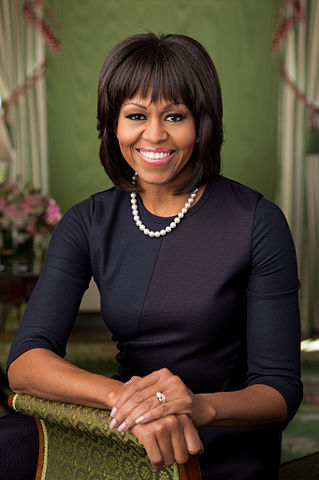
Personalization: Clinton acknowledged Mrs. Obama by saying "And by the way, after last night, I want a man who had the good sense to marry Michelle Obama."
Pandering: He acknowledged the Vice-President and the President but gets his plug in for Hillary.
"Joe Biden did a great job with both. Now -- now, he -- President Obama -- President Obama appointed several members of his cabinet, even though they supported Hillary in the primary. Heck, he even appointed Hillary. Now, wait a minute. I am -- I am very proud of her. I am proud of the job she and the national security team have done for America."
Provoking: As expected he took shots at the opposition, but here he provoked emotion. "I often disagree with Republicans, I actually never learned to hate them the way the far right that now controls their party seems to hate our president and a lot of other Democrats."
Passion: True to form, nobody can accuse Bill Clinton of low affect. From his broad, sweeping gestures to his finger pointing, from his direct sustained eye contact, to his powerful and emotional voice, passion is his middle name. It doesn't matter whether the facts are on his side or whether he omits information. People believe him because he's able to stir their emotions and whip up excitement with his strong conviction and confident delivery. He's a natural off the cuff speaker which gives him that folksy speaking quality. This is a public speaker who is never at a loss for words and always goes over his time limit. (I must confess, I went to bed before the end of his speech).
A true public speaking master, Bill Clinton used all the rhetorical devices without making them sound like techniques. Like him or not, call him a snake oil salesman if you will, Clinton is the poster boy for persuasive presentations.
 Today is Take a Second Look Day. That means it's a day to repurpose, reuse, or redistribute your content. It can apply to anything in your life. Since many public speakers freeze when they have to prepare a speech or presentation, I thought it would be valuable to apply this "Take a Second Look" concept to preparing a presentation.
Panel Presentations
Let's say you're asked to speak on a panel or to give a stand-up presentation on your topic of expertise. You're staring at a blank piece of paper and wondering how to begin. Who says you have to start from scratch? Use what you already have done. Take a look at past presentations, documents, proposals, blogs, and articles you're written. What is the main topic or theme? How can you repackage it?
Today is Take a Second Look Day. That means it's a day to repurpose, reuse, or redistribute your content. It can apply to anything in your life. Since many public speakers freeze when they have to prepare a speech or presentation, I thought it would be valuable to apply this "Take a Second Look" concept to preparing a presentation.
Panel Presentations
Let's say you're asked to speak on a panel or to give a stand-up presentation on your topic of expertise. You're staring at a blank piece of paper and wondering how to begin. Who says you have to start from scratch? Use what you already have done. Take a look at past presentations, documents, proposals, blogs, and articles you're written. What is the main topic or theme? How can you repackage it? Last night at the Republican convention, we witnessed public speakers who nailed their presentations. What do Paul Ryan, Condolezza Rice, and Susana Martinez have in common as public speakers? Each and everyone of them shared a personal story.
Susana began by telling the story of her immigrant parents.
Last night at the Republican convention, we witnessed public speakers who nailed their presentations. What do Paul Ryan, Condolezza Rice, and Susana Martinez have in common as public speakers? Each and everyone of them shared a personal story.
Susana began by telling the story of her immigrant parents. A couple of years ago I spoke to an organization of business owners. Their policy was that you had to give two free three hour presentations before you could have the honor of being paid to speak. It didn't matter if you had 20 years experience,
  It was Day One of my presentation skills seminar. I asked the participants to talk about their passion. The presenters spoke about a vacation, a hobby, a sport, an event. It was evident that their presentations improved when they spoke with passion.
Next up was Elliot. I asked, "What's your topic?" He replied, "Inventory control." A bit confused, I said, "No, Elliot, It should be something you feel passionate about. What excites you?" "Inventory control," he countered. I could tell that this was going to be a LONG day. Subscribing to the philosophy, if you can't beat 'em, join 'em, I acquiesced. After all, some people just have to learn the hard way. I hit the record button on the video camera, as I anticipated his painfully boring presentation.
It was Day One of my presentation skills seminar. I asked the participants to talk about their passion. The presenters spoke about a vacation, a hobby, a sport, an event. It was evident that their presentations improved when they spoke with passion.
Next up was Elliot. I asked, "What's your topic?" He replied, "Inventory control." A bit confused, I said, "No, Elliot, It should be something you feel passionate about. What excites you?" "Inventory control," he countered. I could tell that this was going to be a LONG day. Subscribing to the philosophy, if you can't beat 'em, join 'em, I acquiesced. After all, some people just have to learn the hard way. I hit the record button on the video camera, as I anticipated his painfully boring presentation. Mitt Romney was invited to speak to the NAACP knowing that it's members are overwhelmingly Democratic. He acknowledged and thanked his hosts and expressed his honor at being invited.
He made an attempt at humor by saying “I hope the Obama campaign doesn’t think you’re playing favorites.“ There was a mild tittering from the crowd.
Mitt Romney was invited to speak to the NAACP knowing that it's members are overwhelmingly Democratic. He acknowledged and thanked his hosts and expressed his honor at being invited.
He made an attempt at humor by saying “I hope the Obama campaign doesn’t think you’re playing favorites.“ There was a mild tittering from the crowd.