
 In a Republican debate, Senator Marco Rubio had emerged as a great orator and touted his third place standing as a win. There was a lot of buzz about Rubio and he was riding high despite being number three. So it was no surprise that he walked into the next debate confident and expecting more of the same.
And then it happened. Governor Chris Christie hammered him. Christie came down hard on Rubio for reciting his message point for a third time and accused him of being scripted. It didn't go well for Rubio and Christie won that round.
In a Republican debate, Senator Marco Rubio had emerged as a great orator and touted his third place standing as a win. There was a lot of buzz about Rubio and he was riding high despite being number three. So it was no surprise that he walked into the next debate confident and expecting more of the same.
And then it happened. Governor Chris Christie hammered him. Christie came down hard on Rubio for reciting his message point for a third time and accused him of being scripted. It didn't go well for Rubio and Christie won that round.
How can the skill of staying focused and on message be to the detriment of a public speaker? As a speaking strategist and media trainer, I advise my clients to know their message and to stay on message. This is especially important in a media interview. A skilled media guest will lead with key messages and weave them throughout the interview.
The red flag is when the presenter doesn't answer the question and defaults to a message that doesn't follow the line of questioning. What should Rubio have done? Answer the question to the best of his ability without repeating the same message point again.
Most of us won't be running for office or even presenting in a formal debate. But we will need to persuade, convince, and inform our stakeholders. I advise audiences and clients to familiarize, don't memorize. When a public speaker repeats the same points too close together and uses the exact same words, that's when authenticity is lost. That sounds scripted.
The first mistake is reading a manuscript word-for-word. It takes a special skill and much practice to deliver the words so it doesn't sound like you're reading text. Some scientific lecturers stand and read their research. I told them, "I can read as well as you." Why would anybody want to listen to the reading of a research paper?
The second mistake is memorizing word-for-word. Even though the presenter is not reading, it's obvious the message is not natural.
When I first started out in the speaking business, I worked for a seminar company. At the end of every seminar my manager and I would read the reviews. To my surprise, someone wrote, "Diane, though, helpful, sounded canned." Yikes! Put a stake in my heart. But I realized that I had memorized the script they gave me and I sounded like a talking head. With practice, I learned how to sound conversational and make the content natural.
Audiences are more sophisticated than ever. They want to hear a subject matter expert and not a presenter giving a book report. They want to know you're authentic. You achieve that by preparing your message, practicing your message, and listening for when to divert from the message. It's in listening that we become truly authentic.
 Speaking is a leadership skill
 It's a
 Love Story was a popular move in 1970. It starred Ryan O'Neill and Ali McGraw. In one scene they have a fight and go their separate ways. O'Neill finds McGraw after he cools off and apologizes for the fight. She stops him and says through her tears, "Love means never having to say you're sorry." I don't know if most people in conflict would agree with that.
What people may agree with is the overuse of the word "Sorry" in the workplace. This is especially prevalent among women. When I speak to organizations about
Love Story was a popular move in 1970. It starred Ryan O'Neill and Ali McGraw. In one scene they have a fight and go their separate ways. O'Neill finds McGraw after he cools off and apologizes for the fight. She stops him and says through her tears, "Love means never having to say you're sorry." I don't know if most people in conflict would agree with that.
What people may agree with is the overuse of the word "Sorry" in the workplace. This is especially prevalent among women. When I speak to organizations about  What's the one word that's the kiss of death for most presentations? No, it's not BORING. Boring is the outcome.
What makes a presentation boring?
What's the one word that's the kiss of death for most presentations? No, it's not BORING. Boring is the outcome.
What makes a presentation boring? How is
 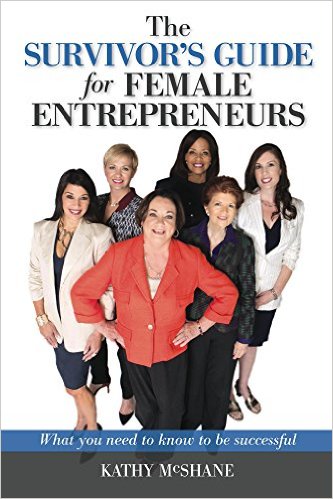 First Impressions impact all pubic speaking and communication. Read about First Impressions in an Excerpt from The Survivor’s Guide for Female Entrepreneurs, by Guest Blogger
  Fear of speaking
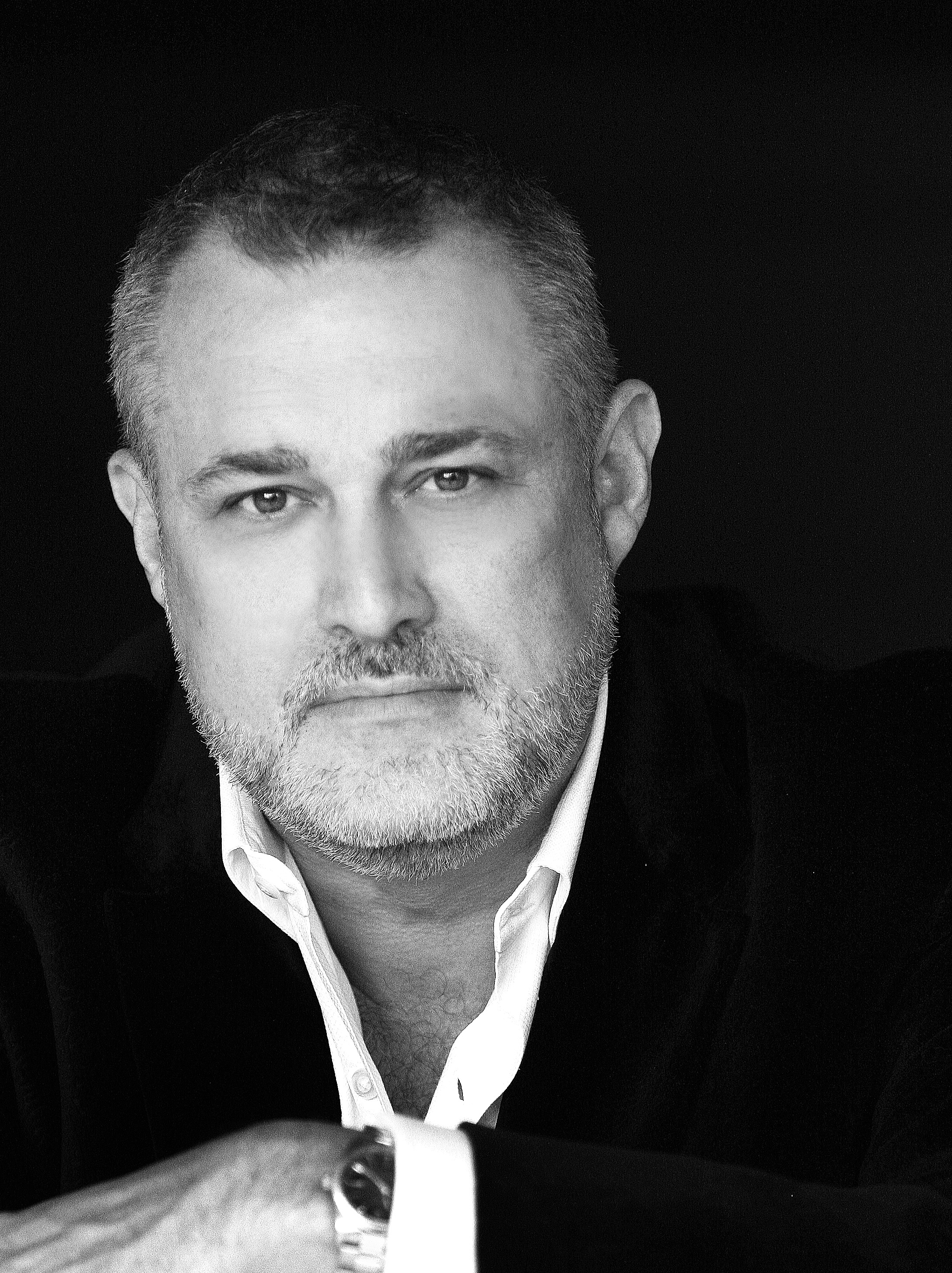 I'm honored to have Jeffrey Hayzlett as a guest blogger.
Whether in life, or in business, there’s no cookie-cutter, surefire way to achieve success, no one plan you have to follow. We all carve our own niche, create our own success, but there are some things all successful entrepreneurs have in common: they
I'm honored to have Jeffrey Hayzlett as a guest blogger.
Whether in life, or in business, there’s no cookie-cutter, surefire way to achieve success, no one plan you have to follow. We all carve our own niche, create our own success, but there are some things all successful entrepreneurs have in common: they 
 Did you ever wonder if there was an Aladdin's Lamp for
 Have you ever made an impact without saying a word? I remember how my father could stop me dead in my tracks with one look. You may have experienced "that look." It meant "Don't even try it. I mean business."
But how do you do that when speaking in public?
Have you ever made an impact without saying a word? I remember how my father could stop me dead in my tracks with one look. You may have experienced "that look." It meant "Don't even try it. I mean business."
But how do you do that when speaking in public?
 Whether you’re a solopreneur or an INC 5000 CEO on the fast track, your ability to present yourself, your company, and your value, will determine the trajectory of your business
Here are three
Whether you’re a solopreneur or an INC 5000 CEO on the fast track, your ability to present yourself, your company, and your value, will determine the trajectory of your business
Here are three 

 Whether you are a
  What if this happened to you? You prepare a presentation, and then the public speaker before you uses up all the time. What if you only had 6 seconds? Would you give a presentation or would you pick up your marbles and go home?
The public speaking game has changed.The digital age requires speed,
What if this happened to you? You prepare a presentation, and then the public speaker before you uses up all the time. What if you only had 6 seconds? Would you give a presentation or would you pick up your marbles and go home?
The public speaking game has changed.The digital age requires speed,