
In an era of high volatility, how do leaders prepare for the future? What are the emerging trends that shape how leaders connect with their teams and stakeholders? What kind of communication is needed to enable leaders to excel?
Here are a few key thoughts.
1. Transparency is a Given. In an era of information overload, leaders who communicate openly and honestly build trust. People relate to humanity, not perfection.
Leaders who show vulnerability by revealing their challenges as well as their successes will model this trait for others; thus creating a culture of authenticity.
2. Storytelling is a Superpower. Reliance on data and numbers will leave employees uninspired. According to Daniel Kahneman, Nobel prize winning economist and author of Think Fast and Slow, states “No one ever made a decision because of a number.. They need a story.” The power of story cannot be underestimated. Stories convert complexity to simplicity, they make the message memorable and captivate the listeners. One of the best ways for leaders to share a vision and inspire employees is through story. Leaders can affect culture change through storytelling.
3. Leveraging Technology. Technology allows leaders to communicate faster, more frequently, and with wider reach. Whether it’s virtual townhalls, or social media, in a fast-paced digital world leaders can use technology to create inclusive environments and smoother operations.
4. Mastering Active Listening. The days of the :talking head” are gone. Stakeholders want to hear from the leader but they also want their voices to be heard. Leaders who practice and value active listening not only gain important insights but improve the performance of the company as well as creating an inclusive environment of belonging.
5. Flexible Messaging. Leaders must be able to turn on a dime. That requires the ability to pivot when necessary to adapt to a changing environment. They will need media training not only for themselves but for their teams. They’ll be required to respond to events with clarity, empathy, and alacrity.
Leaders who thrive in the future will value connection, authenticity, and adaptability in their communication.
What trends do you see that are influencing leadership communication? Share your thoughts in the comments.
To learn how to Speak Confidently and Effectively check out my LinkedIn learning course. It ranked in the Top 20 Most Popular courses for 2 years.
To learn techniques to overcome fear of speaking, read Chapter 3 of Knockout Presentations.
To work with me contact DiResta Communications, Inc.


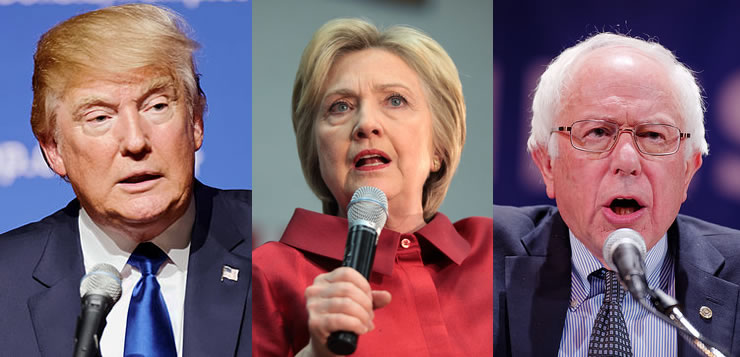 This U.S. presidential election was like no other. Hillary Clinton and Donald Trump went head-to-head in a
  Speaking is a leadership skill
 Love Story was a popular move in 1970. It starred Ryan O'Neill and Ali McGraw. In one scene they have a fight and go their separate ways. O'Neill finds McGraw after he cools off and apologizes for the fight. She stops him and says through her tears, "Love means never having to say you're sorry." I don't know if most people in conflict would agree with that.
What people may agree with is the overuse of the word "Sorry" in the workplace. This is especially prevalent among women. When I speak to organizations about
Love Story was a popular move in 1970. It starred Ryan O'Neill and Ali McGraw. In one scene they have a fight and go their separate ways. O'Neill finds McGraw after he cools off and apologizes for the fight. She stops him and says through her tears, "Love means never having to say you're sorry." I don't know if most people in conflict would agree with that.
What people may agree with is the overuse of the word "Sorry" in the workplace. This is especially prevalent among women. When I speak to organizations about  Resolve to delete three deadly words from your vocabulary this year. We make resolutions on January 1st and then we go back to our usual habits in less than a month. But you can't afford to let your communication and presentation skills slide. Why? It's a new game. It's tougher, more competitive, and harder than ever to be heard above the noise.
Your speech can undermine your success in an interview, a sales presentation, or a promotion opportunity. And it can sabotage your leadership. Jargon, non-words, and slang will not serve you.
Resolve to delete three deadly words from your vocabulary this year. We make resolutions on January 1st and then we go back to our usual habits in less than a month. But you can't afford to let your communication and presentation skills slide. Why? It's a new game. It's tougher, more competitive, and harder than ever to be heard above the noise.
Your speech can undermine your success in an interview, a sales presentation, or a promotion opportunity. And it can sabotage your leadership. Jargon, non-words, and slang will not serve you.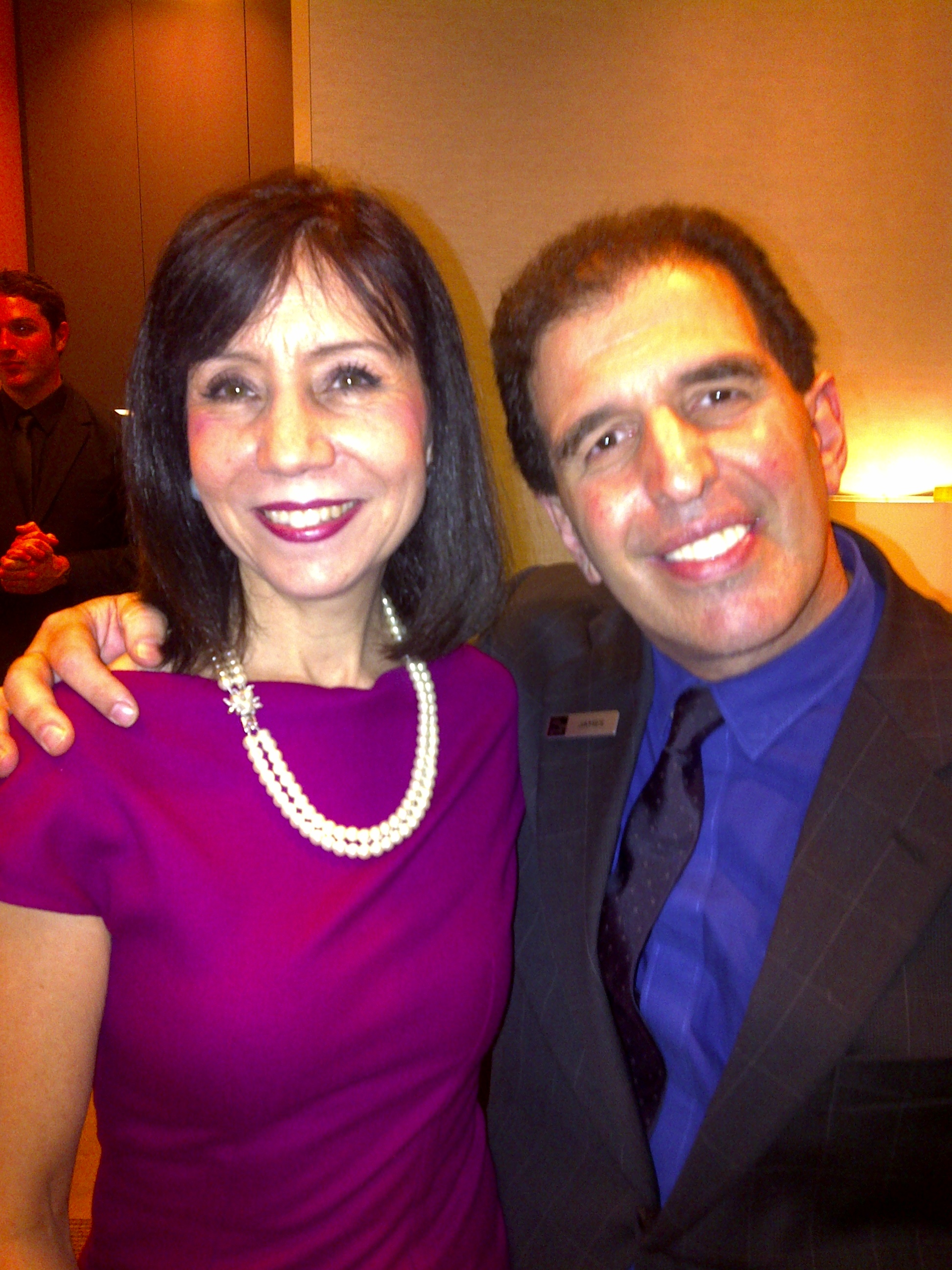 New York, NY (Dec 12, 2012) -- Diane DiResta, CEO of DiResta Communications and author of
  Josephine "Jody" Prestovino single-handedly brought missing federal supplies to Staten Island, New York by using her voice. Jody lost her home during hurricane Sandy and spoke on behalf of her own community with no media training. She looked directly at the camera and said, "Obama promised to cut through the red tape, but we've seen nothing. Nobody is here."
It's because she spoke with conviction and passion that she had an impact.
Josephine "Jody" Prestovino single-handedly brought missing federal supplies to Staten Island, New York by using her voice. Jody lost her home during hurricane Sandy and spoke on behalf of her own community with no media training. She looked directly at the camera and said, "Obama promised to cut through the red tape, but we've seen nothing. Nobody is here."
It's because she spoke with conviction and passion that she had an impact.
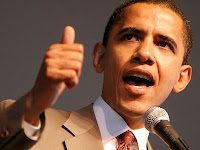 There was a popular song years ago that went " Who let the dogs out?" And that's a question that's apropos this week in the media. The answer is President Obama let the dogs out in his recent speech in Milwaukee. Alluding to his opponents he said, 'They're talking about me like a dog." What does this tell us? Language reflects thought. While some studies state that words are only 7 per cent of the message, words are powerful. They give us insight into what the speaker believes and feels. In this case, Obama is saying he feels like a victim. The key is the wording "They're talking about ME". It's something that is happening to him. It's not the language of leadership. There is a difference between being genuine and appearing weak.
Former Mayor Giuliani showed genuine sadness during the bombing of the World Trade Center but he never spoke like a victim.
There was a popular song years ago that went " Who let the dogs out?" And that's a question that's apropos this week in the media. The answer is President Obama let the dogs out in his recent speech in Milwaukee. Alluding to his opponents he said, 'They're talking about me like a dog." What does this tell us? Language reflects thought. While some studies state that words are only 7 per cent of the message, words are powerful. They give us insight into what the speaker believes and feels. In this case, Obama is saying he feels like a victim. The key is the wording "They're talking about ME". It's something that is happening to him. It's not the language of leadership. There is a difference between being genuine and appearing weak.
Former Mayor Giuliani showed genuine sadness during the bombing of the World Trade Center but he never spoke like a victim.