
 Today marks the eleven year anniversary of 911. I remember it like yesterday. It was the nicest day of the year. There was a noticeable stillness in the air. I headed off to JP Morgan where I was speaking to a group of relationship managers in the private bank. The seminar was on sales presentation skills. We began at 8:00 a.m. A participant arrived late and told me the World Trade Center had been hit by a plane. Thinking this was a fabrication for his lateness I was a bit skeptical. When someone else confirmed his story, I called a break and we all marched out to the lobby in search of a television. For the next few minutes we sat in stunned silence as we watched the towers collapse.
I asked the manager if she wanted me to continue the seminar and she said no. We cancelled the seminar and I left to find a hotel since certain areas were on lock down and traveling home was probably not an option.
Today marks the eleven year anniversary of 911. I remember it like yesterday. It was the nicest day of the year. There was a noticeable stillness in the air. I headed off to JP Morgan where I was speaking to a group of relationship managers in the private bank. The seminar was on sales presentation skills. We began at 8:00 a.m. A participant arrived late and told me the World Trade Center had been hit by a plane. Thinking this was a fabrication for his lateness I was a bit skeptical. When someone else confirmed his story, I called a break and we all marched out to the lobby in search of a television. For the next few minutes we sat in stunned silence as we watched the towers collapse.
I asked the manager if she wanted me to continue the seminar and she said no. We cancelled the seminar and I left to find a hotel since certain areas were on lock down and traveling home was probably not an option.
While this is an extreme case of speaking disasters, public speakers need to be prepared for the worst. The best advice for any public speaker is to have a recovery strategy. You never know when your presentation will be impacted by an unforeseen event.
Take the case of the man who was giving a motivational keynote speech to a large audience and suddenly there was a fire in the hotel. The hotel was evacuated and all the audience members were herded into the parking lot. Did that end the speech? Oh, no. This savvy professional speaker jumped on top of a car and continued to give his keynote speech in the parking lot. He believed the show must go on.
I remember when I attended a National Speakers Association conference. There were 2000 people listening to the keynote speaker on the big stage. All of a sudden, an audience member had an epileptic seizure. The audience was now riveted on the disturbance and she realized she had lost their attention. There is always that moment when you question what is the right protocol. She called out and said "Should I stop?" She paused for a bit and when they removed the man she continued her speech. Again, these are extreme examples but they do happen to public speakers.
It's more likely that when you give a presentation you'll encounter less dramatic mishaps. The most common speaking disaster is when technology fails. The recovery strategy for technology failure is to have a back-up. Put your PowerPoint presentation on a flash drive, send an email copy to the meeting planner, and print a hard copy.
What if it's an embarrassing speaking situation? One woman was giving a speech on a stage behind a podium. The elastic band on her half slip (undergarment) snapped and her slip fell to her ankles. She calmly stepped out of the slip and continued her presentation. This would have been a good moment for some humor.
Which brings us to the best public speaking recovery strategy. Take a line from Rod Stewart's song "Her ad lib lines were well rehearsed." In other words, plan some extender lines. Let's say the lights go off. You could say, "Next time I'll pay my electric bill." But what if they continue to flicker and go off again? If you have a few lines you can extend the humor by adding a new "ad lib." One professional speaker had a technology meltdown. He had five extender lines which he used. He later confessed that he was glad that the problem was fixed after the fifth attempt because he had no more humorous one-liners.
Anticipate what could go wrong in your every day presentations. I've spilled coffee, knocked over a flip chart, and hit the wrong button on the video playback. I even lost my train-of-thought when presenting on a panel. I knew what I wanted to say but couldn't retrieve the word. My brain froze. So I simply asked the audience, "What is the word I'm looking for?" They gave it to me and that was the end of it. When it comes to public speaking or any kind of presentation, the audience will not fault you for flubbing if you recover with grace.
Back in 2001 when my seminar was cancelled, we did recover with grace. We rescheduled the presentation a month later and the attendees performed well. They recovered emotionally and that was the best recovery strategy.
What were your worst public speaking disasters and how did you recover? What advice do you have for other public speakers and presenters?
 Bill Clinton is a rock star on the speaking platform and the ultimate spin meister. I tell my audiences that gifted speakers are born. Most public speakers will never reach the level of a Martin Luther King. Not even most professional speakers achieve that height. Some speakers have a special gift-an ability to move the masses, entertain the crowd, speak off the cuff, and sway an audience.
And last night at the Democratic Convention, Clinton demonstrated all of it and then some. As I anticipated his speech, I wondered how he was going to excite the crowds when the facts pointed to high unemployment, lower wages, and a general discontent with the economy. Well, it didn't take him long to put a position spin on the situation. How did he do it?
Bill Clinton is a rock star on the speaking platform and the ultimate spin meister. I tell my audiences that gifted speakers are born. Most public speakers will never reach the level of a Martin Luther King. Not even most professional speakers achieve that height. Some speakers have a special gift-an ability to move the masses, entertain the crowd, speak off the cuff, and sway an audience.
And last night at the Democratic Convention, Clinton demonstrated all of it and then some. As I anticipated his speech, I wondered how he was going to excite the crowds when the facts pointed to high unemployment, lower wages, and a general discontent with the economy. Well, it didn't take him long to put a position spin on the situation. How did he do it?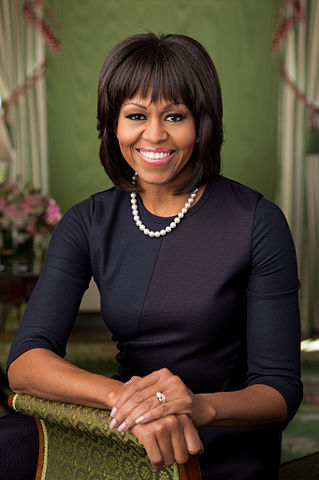
 Today is Take a Second Look Day. That means it's a day to repurpose, reuse, or redistribute your content. It can apply to anything in your life. Since many public speakers freeze when they have to prepare a speech or presentation, I thought it would be valuable to apply this "Take a Second Look" concept to preparing a presentation.
Panel Presentations
Let's say you're asked to speak on a panel or to give a stand-up presentation on your topic of expertise. You're staring at a blank piece of paper and wondering how to begin. Who says you have to start from scratch? Use what you already have done. Take a look at past presentations, documents, proposals, blogs, and articles you're written. What is the main topic or theme? How can you repackage it?
Today is Take a Second Look Day. That means it's a day to repurpose, reuse, or redistribute your content. It can apply to anything in your life. Since many public speakers freeze when they have to prepare a speech or presentation, I thought it would be valuable to apply this "Take a Second Look" concept to preparing a presentation.
Panel Presentations
Let's say you're asked to speak on a panel or to give a stand-up presentation on your topic of expertise. You're staring at a blank piece of paper and wondering how to begin. Who says you have to start from scratch? Use what you already have done. Take a look at past presentations, documents, proposals, blogs, and articles you're written. What is the main topic or theme? How can you repackage it? Last night at the Republican convention, we witnessed public speakers who nailed their presentations. What do Paul Ryan, Condolezza Rice, and Susana Martinez have in common as public speakers? Each and everyone of them shared a personal story.
Susana began by telling the story of her immigrant parents.
Last night at the Republican convention, we witnessed public speakers who nailed their presentations. What do Paul Ryan, Condolezza Rice, and Susana Martinez have in common as public speakers? Each and everyone of them shared a personal story.
Susana began by telling the story of her immigrant parents. A couple of years ago I spoke to an organization of business owners. Their policy was that you had to give two free three hour presentations before you could have the honor of being paid to speak. It didn't matter if you had 20 years experience,
  It was Day One of my presentation skills seminar. I asked the participants to talk about their passion. The presenters spoke about a vacation, a hobby, a sport, an event. It was evident that their presentations improved when they spoke with passion.
Next up was Elliot. I asked, "What's your topic?" He replied, "Inventory control." A bit confused, I said, "No, Elliot, It should be something you feel passionate about. What excites you?" "Inventory control," he countered. I could tell that this was going to be a LONG day. Subscribing to the philosophy, if you can't beat 'em, join 'em, I acquiesced. After all, some people just have to learn the hard way. I hit the record button on the video camera, as I anticipated his painfully boring presentation.
It was Day One of my presentation skills seminar. I asked the participants to talk about their passion. The presenters spoke about a vacation, a hobby, a sport, an event. It was evident that their presentations improved when they spoke with passion.
Next up was Elliot. I asked, "What's your topic?" He replied, "Inventory control." A bit confused, I said, "No, Elliot, It should be something you feel passionate about. What excites you?" "Inventory control," he countered. I could tell that this was going to be a LONG day. Subscribing to the philosophy, if you can't beat 'em, join 'em, I acquiesced. After all, some people just have to learn the hard way. I hit the record button on the video camera, as I anticipated his painfully boring presentation.